


Las Vegas Drug Crime Defense Attorneys
Been arrested, accused, or charged with a drug crime in Las Vegas? The difference between freedom and years of prison time may be as simple as which drug crime defense attorney you choose to call.
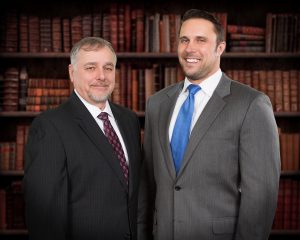
For the best defense, call Zentz & Zentz!
In Las Vegas, Nevada, the courts take drug offenses very seriously, and so do we. We are committed to providing an outstanding, thorough, and well-crafted defense, based on research, facts, and evidence that we have collected and analyzed.
If you have been charged or arrested for any drug crime in Las Vegas, including drug possession, drug trafficking, intent to distribute, or drug-related DUI, the dedicated and experienced drug defense attorneys at Las Vegas Criminal Lawyer will diligently fight to protect your rights.
Call Las Vegas Criminal Lawyer at (702) 602-9110 for a Free Consultation!
Common Las Vegas Drug Charges
 In Las Vegas, there are many different drug charges at both the Felony and Misdemeanor Level. Las Vegas Criminal Lawyer provides effective legal representation for all levels, and for all drug types. Whether you have been charged with drug crimes related to cocaine, heroin, meth, ecstasy, or prescriptions drugs, we take time to thoroughly understand the facts of your case so that we can present them in a way that puts you in the best possible position.
Here are a few of the types and descriptions of Drug Charges this office can help you with.
- Misdemeanor Possession of Drug Paraphernalia: In Vegas, this charge usually is levied when a person is found with a pipe, baggies, or anything related to the use of illegal drugs.
- Felony Possession of Drugs: In Las Vegas the severity is determined by which drug a person is in possession of and how much of that drug(s) and whether an intent to sell can be shown.
- Felony Sale of Drugs: In Las Vegas this involves the sale or offer of sale of all drugs, both illegal and prescription.
- Felony Trafficking Charges, High, Mid and Low Level: In Las Vegas, this involves a person who knowingly brings or sells large quantities of drugs to Las Vegas, Nevada.
Drug charges may come with other charges or consequences, such as license suspensions if operating a vehicle under the influence of illicit drugs, or may even include federal charges depending on the severity of your Nevada crimes.
Depending on the unique, specific facts of your case, your criminal history, and other factors, our Las Vegas Criminal Defense firm has the ability, experience, and skill to potentially get your charge dismissed, reduced, or even removed from your criminal history.
The High Cost of Conviction
 At Las Vegas Criminal Lawyer, we know that drug conviction is more than an inconvenience. Nevada drug charges can have a major impact on every aspect of your life, from your relationships to your employment, and can even cost you your freedom.
Felony drug convictions can potentially lead to a lot of prison time, depending on the charges brought against you, your criminal record, and the level of criminal activity. Also, any drug charge that remains on your record could potentially inhibit your ability to find employment. Even if you aren’t convicted, being arrested can impact both your travel plans and your future life plans, as you will need to attend local court in Las Vegas in order to defend yourself against the drug charges brought against you.
Our drug defense lawyers will work to get the best possible resolution for you in your legal matter, from negotiating reduced charges with the district attorney and prosecutor to fighting to prove your innocence in a jury trial. Las Vegas Criminal Lawyer understands that you have a life to live, and we are dedicated to protecting that future with efficient, effective criminal defense for Nevada drug crimes.
What To Do When Arrested In Las Vegas
Being arrested for a drug crime while visiting Las Vegas can be especially complicated. How you handle this situation greatly impacts the outcome of your drug case, including your ability to get home as soon as possible.
First, keep your mouth shut- Don’t Talk To Cops! It can be hard to resist explaining your side of the story, especially if you feel like you weren’t in the wrong. Resist this urge!
You are not obligated to tell a Nevada police officer anything other than your name. It is common for law enforcement to attempt to get as much information from you as possible before ever arresting you or delivering your Miranda rights. They can and will use the information they obtain from you, starting from your very first interaction with them at the crime scene, against you during a criminal trial.
Remember, the police are legally allowed to lie to you. They can tell you whatever they would like in order to get information from you. They may try to trick you into talking or saying something you shouldn’t, or they may attempt to trick you into granting access to your home to perform unwarranted search and seizure of your property. Do not provide consent for any type of search, or grant police access to your home, vehicle, or hotel room without a warrant in hand.
The sooner you speak with an experienced criminal defense lawyer in Las Vegas, the better.
Keep asking until they allow you to contact Las Vegas Criminal Lawyer at (702) 602-9110 for smart advice and aggressive legal defense.
Las Vegas Criminal Defense Attorneys
 Las Vegas Criminal Lawyer is your complete Las Vegas criminal defense law firm, providing legal defense and support to those convicted of a crime in Nevada. With proven results, decades of experience representing clients, and an unwavering dedication to our clients, there is simply no better choice for your criminal defense than Las Vegas Criminal Lawyer. Don’t trust the discount, half price lawyers you see on billboards- go with the Super Lawyers of Zentz & Zentz for the Best Defense!
Whether you are facing drunk driving or DUI charges, violent crime charges like domestic violence charges, juvenile crimes, or other felony charges, the Las Vegas criminal lawyers at Las Vegas Criminal Lawyer have the experience, drive, and dedication required to get the best possible results for you. Call us today to discuss how we can help you get your life back on track.
Let’s Talk Now- Free Consultation
 With a lifetime of dedicated service to protecting the rights of those accused of crimes in Las Vegas, the team at Las Vegas Criminal Lawyer is driven to provide top-quality legal support when you need it most. Our Nevada drug crime defense attorneys are ready to get to work on your case without delay. We are dedicated to getting you back to your normal life as quickly as possible.
For the best defense, call Zentz & Zentz!
Call Las Vegas Criminal Lawyer today at (702) 602-9110 for your Free Consultation!